オープンネットワーキングとは何ですか?
オープンネットワーキングとは、ネットワークハードウェアとそれを実行するソフトウェアを分離するネットワークインフラストラクチャの設計および運用方法である。単一ベンダーの独自の垂直統合システムに依存する代わりに、組織は複数のシステムを組み合わせることができる。 ホワイトボックスインフラストラクチャ, 商用シリコン, 、そして オープンネットワークオペレーティングシステム 例えば SONiCネットワークオペレーティングシステム 柔軟性、拡張性、そしてコスト効率に優れたネットワークを構築する。.
中心には オープンネットワーキング は 分散型ネットワーク組織の要件に最適なハードウェア、ネットワークオペレーティングシステム、管理ツールを独自に選択できる能力。これにより、企業は展開が可能になります。 ホワイトボックススイッチ ユーザーが好むソフトウェアと並行して利用できるだけでなく、アップグレードの簡素化、ベンダーの選択肢の拡大、イノベーションの加速にも貢献します。.
オープンネットワーキングの構成要素
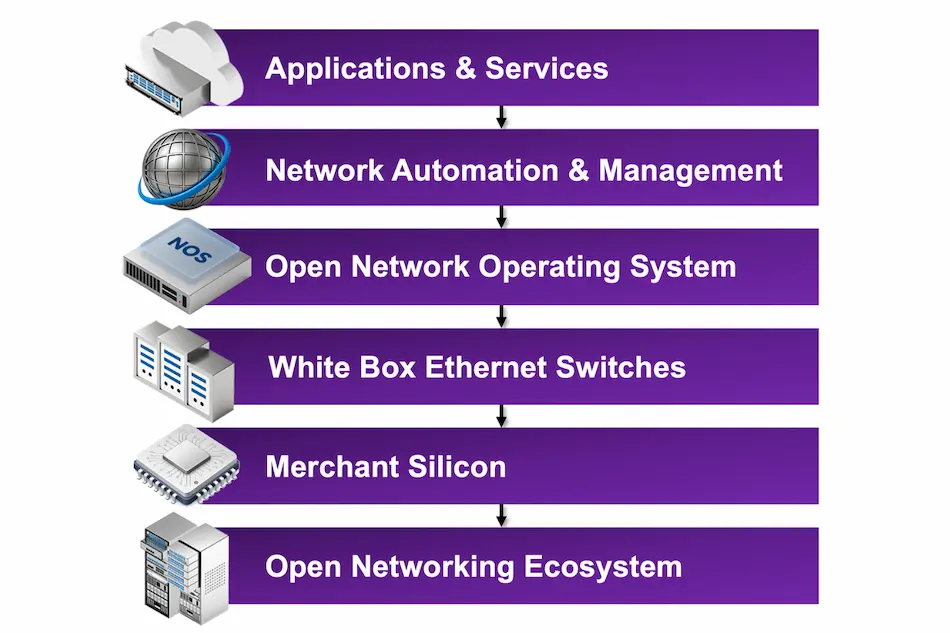
従来のネットワークとは異なり、ハードウェアとソフトウェアは独自のプラットフォームに密接に統合されています。, ホワイトボックスネットワーキング 組織はネットワークアーキテクチャとライフサイクル管理をより詳細に制御できるようになります。企業は、 ベンダーロックイン, 新しい技術をより迅速に導入し、オープンスタンダードを活用して、変化するビジネスニーズに合わせて進化する、最新のプログラマブルなインフラストラクチャを構築する。.
この変革を可能にする重要な技術は、 SONiCネットワークオペレーティングシステム (クラウドにおけるオープンネットワーキング用ソフトウェア)。元々はハイパースケール環境向けに開発されたSONiCは、主要なソリューションの1つとなっています。 オープンネットワークオペレーティングシステム エンタープライズ、クラウド、サービスプロバイダーの導入向け。最新の技術と組み合わせることで ネットワーク自動化, テレメトリやプログラマブルAPIなどを備えたSONiCは、組織の運用を簡素化しながら、今日の要求の厳しいワークロードに必要な柔軟性とパフォーマンスを提供します。 AIネットワーキング, エンタープライズデータセンター、および クラウド環境.
組織がオープンネットワークに移行する理由
エンタープライズ、クラウド、通信、および クラウドインフラストラクチャ 環境はますます採用している オープンネットワーキング 従来の独自アーキテクチャよりも柔軟性、拡張性、コスト効率に優れたネットワークを構築する。.
受け入れることで ホワイトボックスインフラストラクチャ そして ベンダーニュートラルなネットワーク, これにより、企業は単一ベンダーのロードマップに縛られることなく、最高水準のハードウェアとソフトウェアを自由に選択できるようになります。この分散型アプローチは、設備投資と運用コストを削減し、将来のハードウェア更新を簡素化し、組織が最新のイノベーションを利用可能になった時点で導入することを可能にします。.
オープンプラットフォームなど SONiCネットワークオペレーティングシステム さらに、 ネットワーク自動化, これにより、チームはデプロイメントの標準化、構成管理とライフサイクル管理の自動化、分散環境全体での運用の一貫性の向上を実現できます。組織がインフラストラクチャの近代化を進めるにつれ、ますます複雑化するネットワークをサポートするために自動化が不可欠となっています。.
AIワークロード、クラウドサービス、データ集約型アプリケーションの急速な成長により、 オープンネットワーキングソリューション. 現代の環境では、高性能な接続性をサポートしつつ、将来のテクノロジーにも適応できる、拡張性とプログラム可能性を備えたネットワークが求められます。 ホワイトボックスネットワーキング, 商用シリコン, オープンなソフトウェアエコシステムにより、組織はエンタープライズキャンパスからハイパースケールデータセンターまであらゆるものをサポートする、回復力があり将来を見据えたインフラストラクチャを構築できます。 AIネットワーキング デプロイメント。.
基本概念
ホワイトボックスインフラストラクチャやSONiCネットワークオペレーティングシステムから、分離型ネットワーク、汎用シリコン、ネットワーク自動化まで、現代のオープンネットワーキングを形作る6つのコアコンセプトを探究します。.
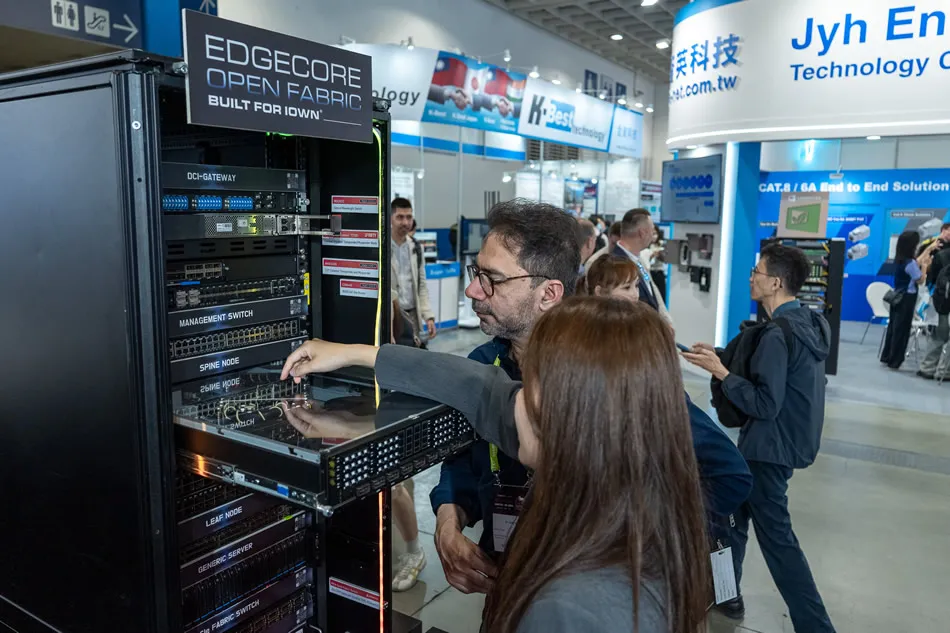
ホワイトボックスネットワークが、柔軟でオープンなインフラストラクチャをどのように実現するのかを学びましょう。.
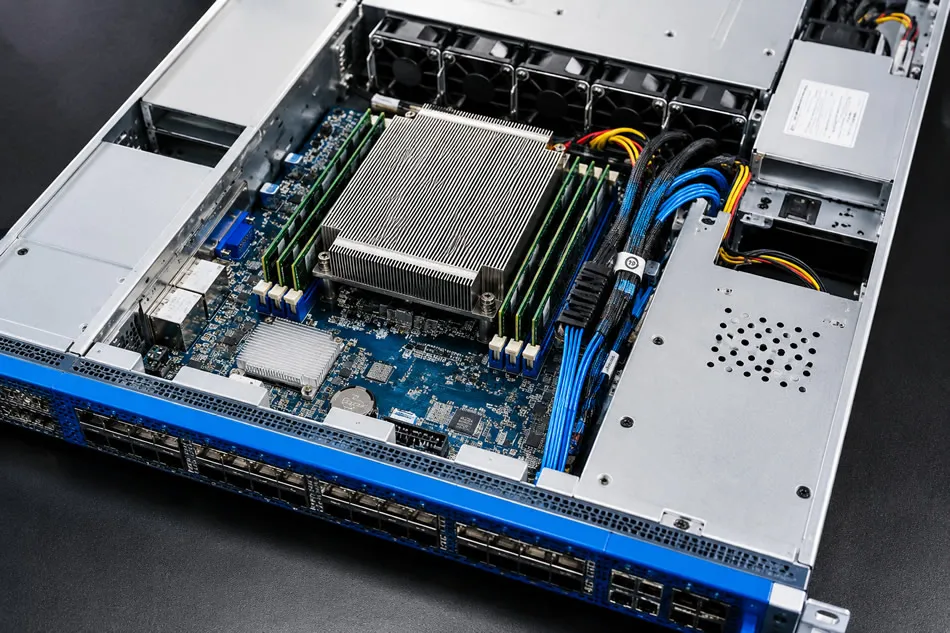
SONiCがいかにして拡張性とベンダーニュートラル性を備えたネットワークを実現するのかをご覧ください。.
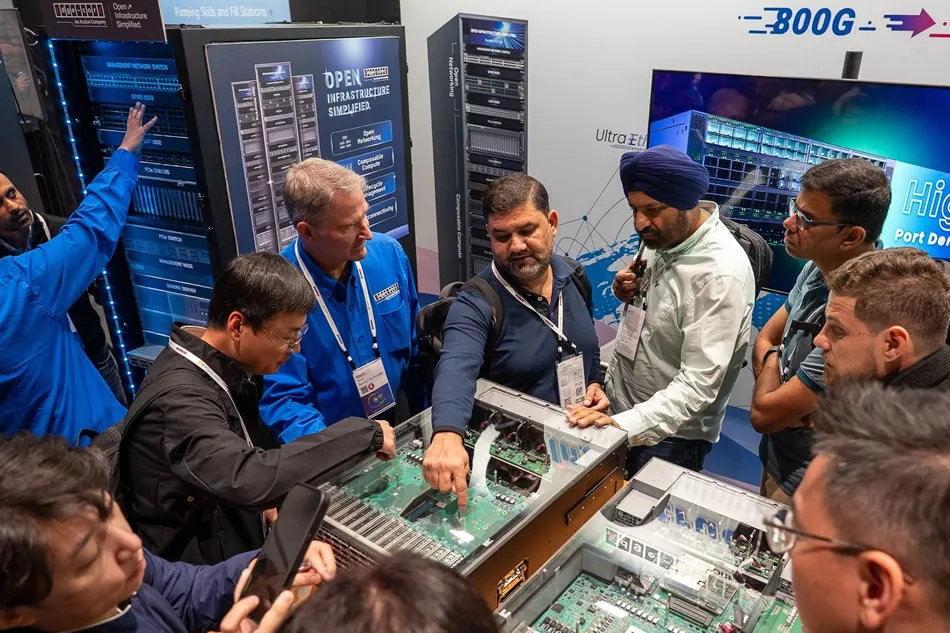
分散型ネットワークがインフラストラクチャ設計をどのように簡素化するかを探ります。.
自動化がいかに現代のネットワーク運用を効率化するかをご覧ください。.

オープンネットワークがベンダーロックインをどのように軽減するのかを理解する。.

組織がオープンネットワークを本番環境でどのように導入しているかをご覧ください。.
オープンネットワーキングの利点
組織がIT環境を近代化するにつれて、, オープンネットワーキング は、柔軟性、拡張性、コスト効率に優れたインフラストラクチャを構築するための好ましいアプローチとなっています。 ホワイトボックスインフラストラクチャ, 商用シリコン, 、そして オープンネットワークオペレーティングシステム 例えば SONiCネットワークオペレーティングシステム, これにより、組織はネットワークアーキテクチャに対する制御力を高めつつ、独自ソリューションへの依存度を低減できる。.
従来のネットワークとは異なり、, 分散型ネットワーク ハードウェアとソフトウェアが独立して進化することを可能にし、企業が新しいテクノロジーをより迅速に導入し、簡素化することを可能にする ネットワーク自動化, 、そして構築する ベンダーニュートラルなネットワーク 将来の成長に対応できる環境。.
| カテゴリ | 従来型の独自ネットワーク | オープンネットワーキング |
|---|---|---|
| ハードウェアとソフトウェア | ハードウェアとソフトウェアは、同一ベンダーによって緊密に統合されている。. | ホワイトボックスインフラストラクチャ ハードウェアとソフトウェアを分離することで、組織により高い柔軟性をもたらす。. |
| ベンダー選択 | 組織は通常、特定のベンダーのエコシステムとロードマップに縛られている。. | ベンダーニュートラルなネットワーク 組織が最高水準のハードウェア、ソフトウェア、および管理ツールを選択できるようにする。. |
| スケーラビリティ | 規模拡大には、多くの場合、同一の独自プラットフォーム内での拡張が必要となる。. | 分散型ネットワークは、インフラストラクチャの拡張を容易にし、同時に時間の経過とともに新しいテクノロジーを導入することを可能にします。. |
| ネットワークオペレーティングシステム | 独自のネットワークオペレーティングシステムを使用しており、柔軟性に限界がある。. | オープンなネットワークオペレーティングシステムを導入する。 SONiCネットワークオペレーティングシステム 互換性のあるハードウェア間で。. |
| ハードウェアの革新 | ハードウェアの更新サイクルは、単一のベンダーに依存する。. | 商用シリコン より迅速なイノベーションと、より幅広いネットワークプラットフォームの選択肢を可能にする。. |
| オートメーション | 自動化機能は、専用ツールに限定される場合がある。. | 構築対象 ネットワーク自動化, プログラマブルAPI、テレメトリ、およびInfrastructure-as-Codeワークフロー。. |
| 所有コスト | ライセンス料やハードウェア費用が増加すると、長期的な総所有コスト(TCO)が増加する可能性があります。. | ホワイトボックスネットワークは、 総所有コスト 企業業績を維持しながら。. |
| 将来の柔軟性 | インフラストラクチャの変更には、多くの場合、大規模なプラットフォーム移行が必要となります。. | オープンネットワークは、ビジネスや技術の要件に合わせて進化する柔軟な基盤を提供する。. |
もっと詳しく知りたいですか? 当社のリソースをご覧ください ホワイトボックスネットワーキング, エンタープライズ SONiC、 そして ネットワークの総所有コスト 組織が本番環境でオープンネットワークをどのように導入しているかを確認するため。.
オープンネットワーキングの仕組み
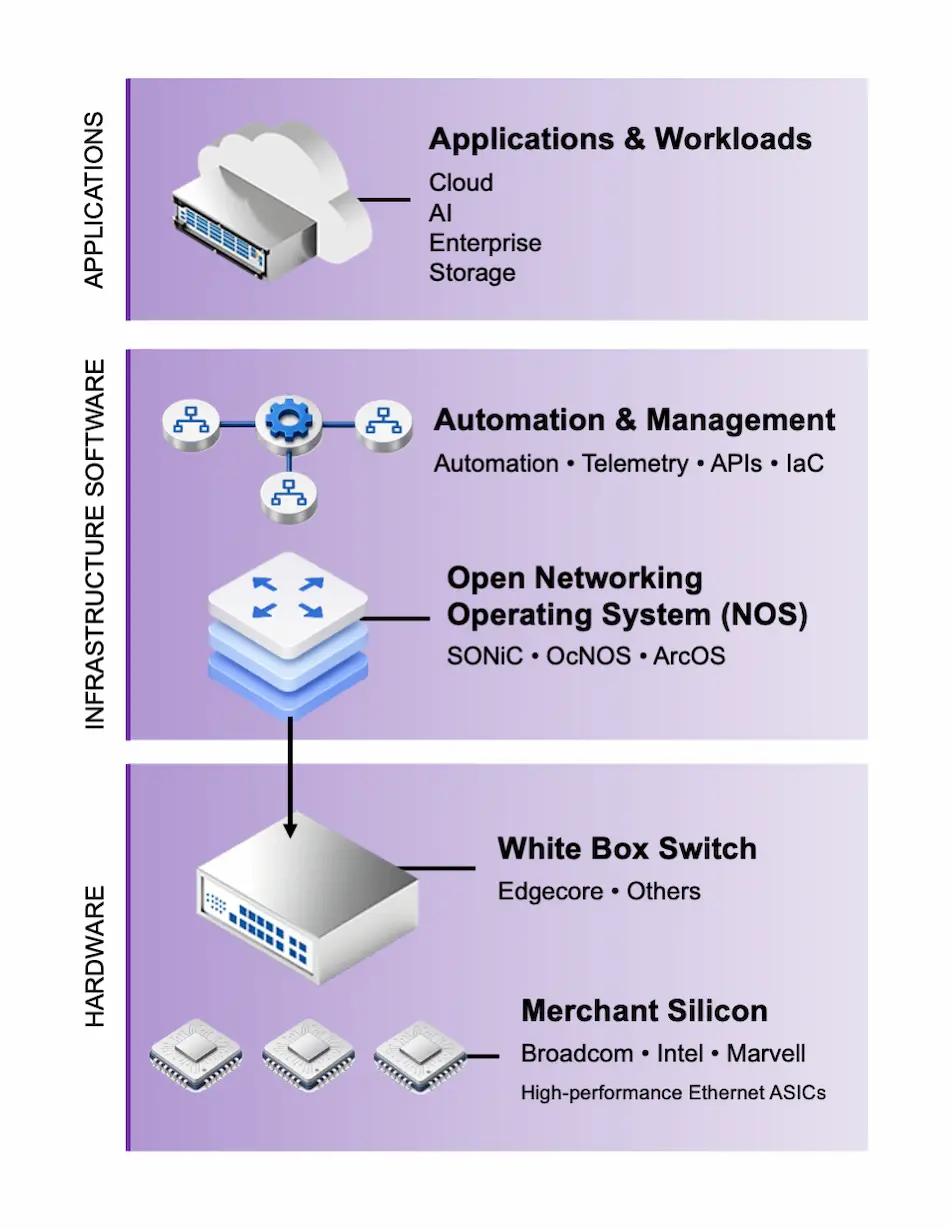
オープンなネットワークアーキテクチャは、アプリケーション、プラットフォームソフトウェア、ハードウェアを独立したレイヤーに分離します。ソフトウェアレイヤー内では、組織は オープンネットワークオペレーティングシステム(NOS) 自動化および管理ツールと併せて。 細分化されたアプローチ これにより、組織は特定のベンダーに縛られることなく、最先端の技術を選択できるようになります。.
下から順に、各層はそれぞれ異なる役割を担っています。
- マーチャントシリコン ― 最新のイーサネットネットワークの基盤となる高性能スイッチングASIC。.
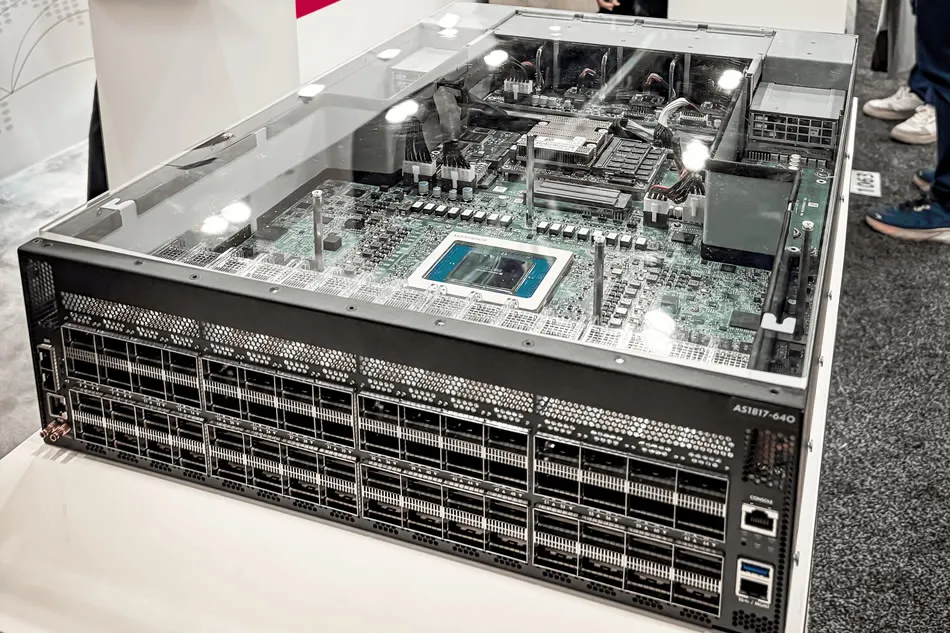
- ホワイトボックススイッチ ―ハードウェアとソフトウェアを分離するオープンなハードウェアプラットフォームにより、柔軟性とハードウェアの選択肢が拡大する。.
- SONiC ネットワークオペレーティングシステム 互換性のあるホワイトボックススイッチ上で動作するオープンなネットワークオペレーティングシステムであり、複数のハードウェアプラットフォームにわたってエンタープライズネットワーク機能を提供する。.
- ネットワークの自動化と管理 デプロイメントと継続的な運用を簡素化するAPI、テレメトリ、オーケストレーション、およびInfrastructure-as-Codeツール。.
- アプリケーションとワークロード – ネットワーク上で動作するAI、クラウド、エンタープライズ、およびデータセンターのワークロード。.
これらの独立したレイヤーが組み合わさることで、柔軟な, ベンダーニュートラルなネットワーク ハードウェア、ソフトウェア、自動化がそれぞれ独立して進化できるプラットフォームであり、従来の独自ソリューションよりもネットワークの拡張、自動化、近代化を容易にする。.
リソースライブラリ
自由への道: ホワイトボックス インフラストラクチャの利点 ホワイトボックスインフラストラクチャが、柔軟性を高め、ベンダーロックインを軽減し、長期的なネットワーク拡張を簡素化する方法を探ります。.
SONiCブーム:今日の拡張性の高いネットワークインフラストラクチャのために、オープンソースと市販シリコンを活用する SONiCと市販のシリコンが、現代の企業環境およびクラウド環境向けに、拡張性とベンダーニュートラル性を備えたネットワークをどのように実現するかを探ります。.
SONiC: 現代のデジタルインフラのためのエンタープライズグレードのセキュアOS Enterprise SONiCが、セキュリティ、自動化、柔軟性をどのように組み合わせ、最新のオープンネットワーク展開を支えるのかを説明します。.
Edgecoreネットワークによるオープンインフラストラクチャの簡素化 オープンネットワーキングが、ハードウェア、ソフトウェア、自動化を分離することで、インフラストラクチャ設計をいかに簡素化するかを示します。.
お買い得なホワイトボックススイッチは3年目までは成功のように見えた ハードウェアの品質とライフサイクルコストが、ホワイトボックスネットワーク投資の長期的な価値にどのように影響するかを検証します。.
「認知ルーティング」って一体何? | コグニティブルーティングを紹介し、インテリジェントなトラフィック最適化が現代のネットワークのパフォーマンスと回復力をどのように向上させるかを解説します。.
Broadcom製 Enterprise SONiC Enterprise SONiCが、最新のオープンネットワーク展開において、エンタープライズグレードのセキュリティ、自動化、および拡張性をどのように実現するのかを探ります。.
総所有コスト(TCO) 現代のAI環境におけるインフラの効率性、拡張性、およびコスト最適化に関する分析。.
すべてのホワイトボックスが同じというわけではありません ホワイトボックスインフラストラクチャの信頼性、パフォーマンス、および長期的な価値に影響を与えるハードウェアの違いを検証します。.
ホワイトボックススイッチングとセキュリティ ゼロトラストの原則とエンタープライズSONiCが、最新のホワイトボックスネットワーク環境におけるセキュリティをどのように強化するかを解説します。.
ネットワーク定義 オープンネットワーキングの強固な基盤を構築するために役立つ、ネットワークに関する重要な用語、技術、概念を定義します。.
600のネットワーク。1つのNOS。ベンダーロックインなし。. 統合ネットワークオペレーティングシステムが、大規模展開において運用を簡素化し、ベンダーロックインを軽減する方法を学びましょう。.
プログラマブルな分離型ネットワーク運用環境 プログラマブルで分散型のネットワークが、最新のAIインフラストラクチャに、より高度な自動化、柔軟性、および制御をもたらす方法をご覧ください。.
SONiCでエンタープライズオープンネットワークを強化 EdgecoreとEnterprise SONiCが、オープンなハードウェアとソフトウェアを組み合わせて、拡張性の高い、実運用可能なAIネットワークを構築する方法をご覧ください。.
単一ベンダーによる垂直統合型ネットワーク ソリューションが唯一の選択肢ですか? 独自のネットワークとオープンなネットワークを比較し、分散型インフラストラクチャとベンダー選択の利点を実証します。.
Avizエンドツーエンドスタックでよりスマートなネットワークを構築 自動化、可観測性、およびAIを活用した管理が、現代のオープンネットワーク運用をいかに簡素化するかを実証します。.
次世代キャリアネットワーク向け Edgecore オープン ネットワーキング プラットフォームの活用 オープンなネットワークプラットフォームが、サービスプロバイダーによる拡張性とプログラム可能性を備えたキャリアネットワークインフラストラクチャの構築にどのように役立つかを検証します。.
Edgecore コミュニティでイノベーションを解き放つ SONiC ディストリビューション | オープンなネットワークハードウェアプラットフォーム上でCommunity SONiCを使用して、組織がどのようにイノベーションを加速させるかを示します。.
Broadcom SONiC X Edgecore データセンタースイッチ | 最新のデータセンターネットワーク向けに、Enterprise SONiCスイッチとEdgecoreスイッチを組み合わせた導入成功事例を紹介します。.
LINX、LON2 LAN 更新に Edgecore Networks と IP Infusion を選択 大手インターネットエクスチェンジが、オープンネットワーキングと分散型ソリューションを用いてインフラストラクチャを近代化した方法を示す。.
EdgecoreはNCTUにOpenFlowベースのグローバルSDNを導入しました プログラマブルネットワークと集中型ネットワーク管理を実証する、SDN導入の成功事例を紹介します。.
IPNexia、Edgecore NetworksとDeca Consultingと提携してデータセンターを強化 オープンネットワークがデータセンターのスケーラビリティ、柔軟性、運用効率をどのように向上させたかを実証します。.