Что такое модернизация центра обработки данных?
Модернизация центров обработки данных это процесс модернизации и трансформации. инфраструктура центров обработки данных Для повышения производительности, масштабируемости, эффективности и оперативной гибкости. Вместо простой замены устаревшего оборудования модернизация включает в себя оценку каждого уровня центра обработки данных — включая вычислительные ресурсы, сети, хранилище, управление и автоматизацию — для лучшего соответствия современным требованиям бизнеса и новым технологиям.
Современные центры обработки данных должны поддерживать растущее разнообразие рабочих нагрузок, от виртуализации и облачных приложений до искусственный интеллект (ИИ), высокопроизводительные вычисления (HPC) и аналитика больших объемов данных. По мере того, как организации продолжают внедрять эти технологии, гибридное облако В условиях внедрения все более сложных приложений и разработки устаревшая инфраструктура часто не справляется с обеспечением гибкости, пропускной способности и операционной эффективности, необходимых для таких сред.

Успешный модернизация центра обработки данных сочетает в себе современное оборудование, интеллектуальное программное обеспечение и автоматизированные операции для создания масштабируемой, отказоустойчивой и простой в управлении инфраструктуры. Технологии, такие как... высокоскоростной Ethernet, Открытые сети, виртуализация автоматизации инфраструктуры и архитектуры, готовые к использованию ИИ, позволяют организациям снизить сложность, повысить эффективность использования ресурсов и подготовить свои центры обработки данных к будущему росту.
Вместо того чтобы быть разовым обновлением технологии, модернизация центра обработки данных Это непрерывная стратегия, которая помогает организациям постоянно адаптироваться к меняющимся потребностям бизнеса, изменяющимся требованиям к приложениям и стремительному развитию технологий. цифровая инфраструктура.
Почему организации модернизируют свои центры обработки данных
Организации модернизируют свои центры обработки данных для поддержки более быстрого роста бизнеса, улучшения операционная эффективность, и готовиться к постоянно растущим нагрузкам. Традиционная инфраструктура была разработана для относительно предсказуемых корпоративных приложений, но сегодняшние среды должны учитывать облачные вычисления, искусственный интеллект, виртуализацию, граничные вычисления и быстро растущие объемы данных, сохраняя при этом высокую доступность и производительность.
Модернизация позволяет организациям заменить разрозненную инфраструктуру на более гибкую., масштабируемые архитектуры которые упрощают операции и ускоряют внедрение новых технологий. Инвестируя в них, мы обеспечиваем... автоматизация инфраструктуры, Благодаря программно-определяемому управлению, высокопроизводительным сетям и интеллектуальному мониторингу, ИТ-команды могут сократить ручное администрирование, повысить надежность и быстрее реагировать на меняющиеся потребности бизнеса.
Многие организации также проводят модернизацию для улучшения своей работы. энергоэффективность, уменьшать общая стоимость владения (TCO), Упростить управление жизненным циклом инфраструктуры и повысить операционную устойчивость. Такие технологии, как открытые сети, коммерческие микросхемы и программируемые сетевые операционные системы, помогают достичь этих целей, предоставляя организациям большую гибкость при планировании будущих инвестиций в инфраструктуру.
Как цифровая трансформация продолжается во всех отраслях., модернизация центра обработки данных Модернизация стала долгосрочной бизнес-стратегией, а не периодической модернизацией инфраструктуры. Организации, которые проводят модернизацию заблаговременно, имеют лучшие возможности для эффективного масштабирования, уверенного внедрения новых технологий и создания отказоустойчивых, перспективных центров обработки данных, способных поддерживать приложения завтрашнего дня.
Основные концепции
Изучите шесть ключевых концепций, определяющих модернизацию современных центров обработки данных — от архитектуры инфраструктуры и гибридного облака до автоматизации, высокопроизводительных сетей, масштабируемости и энергоэффективности.
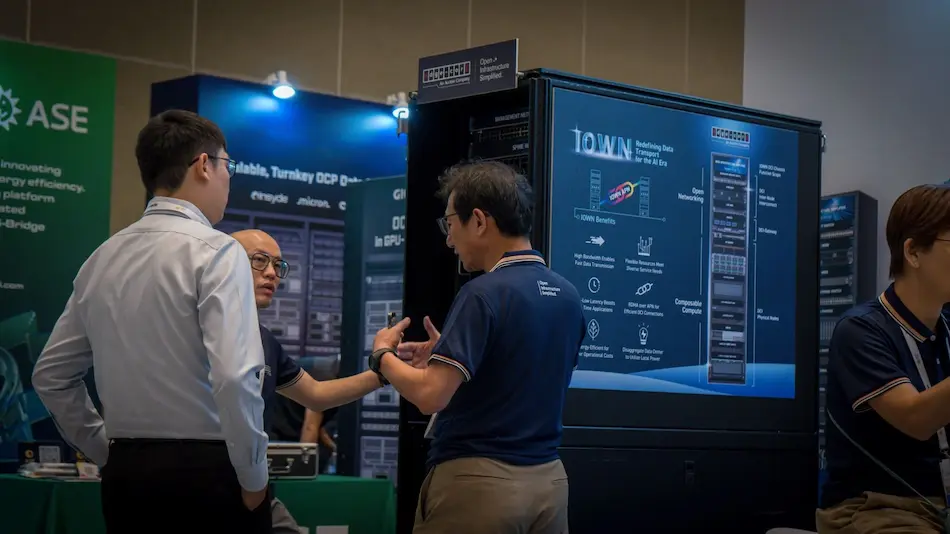
Узнайте, как современные архитектуры повышают масштабируемость, гибкость и операционную эффективность.

Узнайте, как масштабируемая инфраструктура максимизирует производительность, одновременно снижая сложность эксплуатации.

Узнайте, как автоматизация упрощает операционные процессы и улучшает управление инфраструктурой.
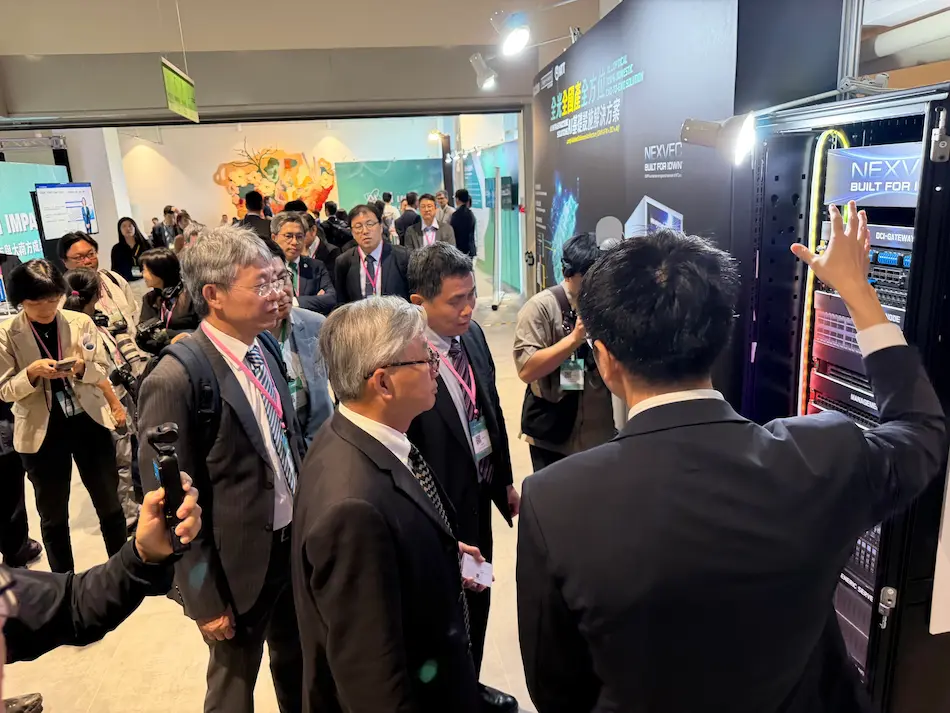
Разберитесь, как современные сетевые технологии поддерживают облачные вычисления, искусственный интеллект и высокопроизводительные рабочие нагрузки.

Узнайте, как гибридное облако улучшает размещение рабочих нагрузок, гибкость и оперативность бизнеса.

Узнайте о стратегиях создания более экологичных и энергоэффективных центров обработки данных.
Преимущества модернизации центров обработки данных
Модернизация центра обработки данных позволяет организациям повысить производительность и масштабируемость., операционная эффективность, и обеспечивается долгосрочная гибкость при поддержке все более сложных рабочих нагрузок. Вместо того чтобы поддерживать разрозненную, устаревшую инфраструктуру, организации внедряют современные архитектуры которые упрощают операции, автоматизируют рутинные задачи и лучше интегрируются с облачными технологиями., ИИ, а также приложения, интенсивно использующие данные.
Модернизированный центр обработки данных также помогает снизить сложность инфраструктуры, повысить эффективность использования ресурсов и подготовить организации к будущему росту. Инвестиции в масштабируемые технологии позволяют, автоматизация инфраструктуры, Благодаря эффективной инфраструктуре предприятия могут быстрее реагировать на меняющиеся требования, одновременно снижая операционные издержки и повышая общую устойчивость.
Традиционный центр обработки данных против современного центра обработки данных
| Категория | Традиционный центр обработки данных | Современный центр обработки данных |
|---|---|---|
| Инфраструктура | Автономные, изолированные системы с ограниченной гибкостью. | Интегрированная, масштабируемая инфраструктура, разработанная для удовлетворения меняющихся потребностей в рабочих нагрузках. |
| Нагрузки | Оптимизировано в первую очередь для традиционных корпоративных приложений. | Поддерживает облачные приложения, искусственный интеллект, виртуализацию, высокопроизводительные вычисления и гибридные рабочие нагрузки. |
| Масштабируемость | Масштабирование часто требует значительной модернизации оборудования и ручного планирования. | Модульные архитектуры позволяют более эффективно масштабировать инфраструктуру по мере роста спроса. |
| Операции | Ручное предоставление ресурсов, мониторинг и управление жизненным циклом. | Автоматизация инфраструктуры упрощает развертывание, управление и текущую эксплуатацию. |
| Сетевые технологии | Сети с более низкой скоростью передачи данных, разработанные для предсказуемых моделей трафика. | Высокопроизводительные сети обеспечивают поддержку облачных вычислений, искусственного интеллекта и межсетевого трафика в масштабе предприятия. |
| Использование ресурсов | Вычислительные ресурсы, ресурсы хранения данных и сетевые ресурсы часто используются неэффективно. | Оптимизированное использование ресурсов повышает производительность и эффективность инфраструктуры. |
| Энергоэффективность | Более высокое энергопотребление и менее эффективные стратегии охлаждения. | Энергоэффективная инфраструктура помогает снизить потребление электроэнергии и эксплуатационные расходы. |
| Гибкость бизнеса | Более медленное внедрение новых услуг и технологий. | Более быстрое внедрение новых приложений, облачных сервисов и перспективных технологий. |
Современная инфраструктура центров обработки данных создается для поддержки непрерывных инноваций, а не для периодического обновления технологий. По мере модернизации организации также внедряют такие технологии, как... открытая сеть, инфраструктура белого ящика, высокопроизводительный Ethernet, и Сетевые технологии, готовые к использованию ИИ для дальнейшего повышения масштабируемости, операционной эффективности и долгосрочной гибкости.
Хотите узнать больше? Изучите наши ресурсы по открытым сетям и инфраструктуре «белого ящика», сетевым технологиям для ИИ и архитектурам для графических процессоров, а также наши общая стоимость владения сетью белый документ чтобы узнать, как организации создают масштабируемые, эффективные и перспективные центры обработки данных.
Современная архитектура центров обработки данных
Современные центры обработки данных интегрируют вычислить, хранилище, сетевое взаимодействие, автоматизация, и физическая инфраструктура в единую архитектуру, разработанную для масштабируемости, операционной эффективности и постоянно меняющихся рабочих нагрузок. Вместо того чтобы полагаться на изолированные системы, эти взаимосвязанные уровни позволяют организациям поддерживать облачные сервисы, Искусственный интеллект, виртуализация и развитие будущих технологий с большей гибкостью.
Приведенная ниже диаграмма иллюстрирует основные уровни, которые взаимодействуют для обеспечения работы современного масштабируемого центра обработки данных.
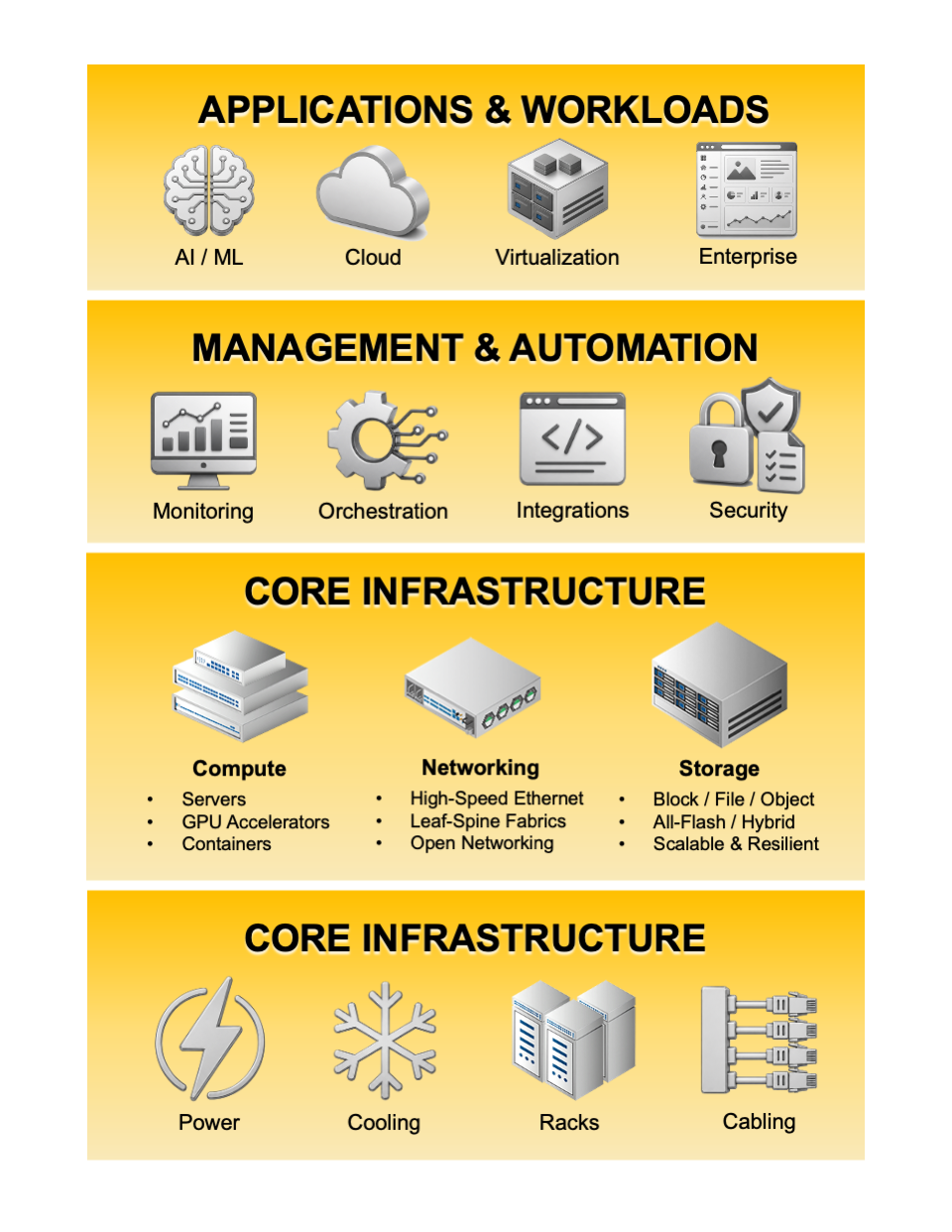
Современные архитектуры центров обработки данных укрепляются благодаря таким технологиям, как... высокопроизводительный Ethernet, открытая сеть, и автоматизация инфраструктуры.
Реальный успех модернизации
Узнайте, как организации в различных отраслях модернизируют свою инфраструктуру для повышения производительности, масштабируемости, операционной эффективности и возможностей подключения.


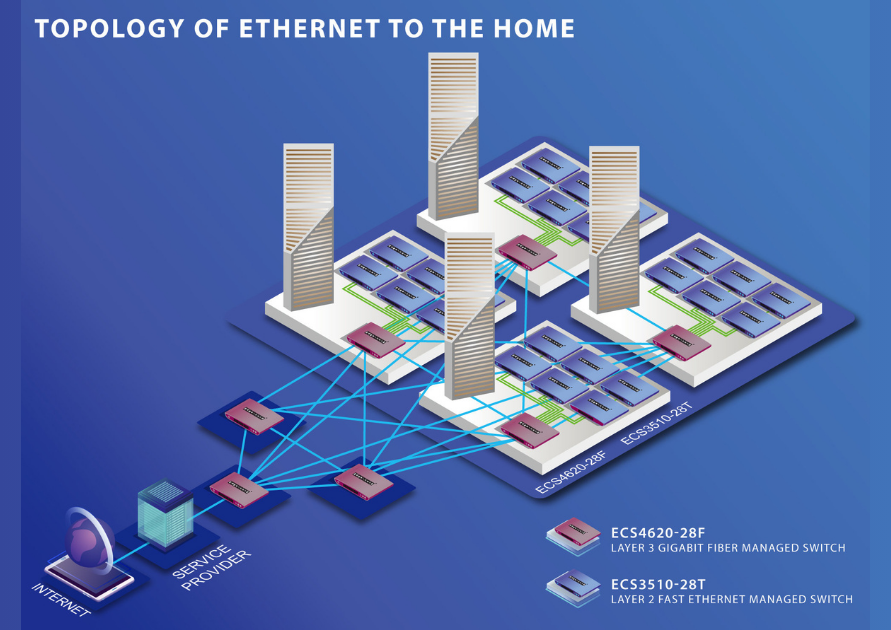
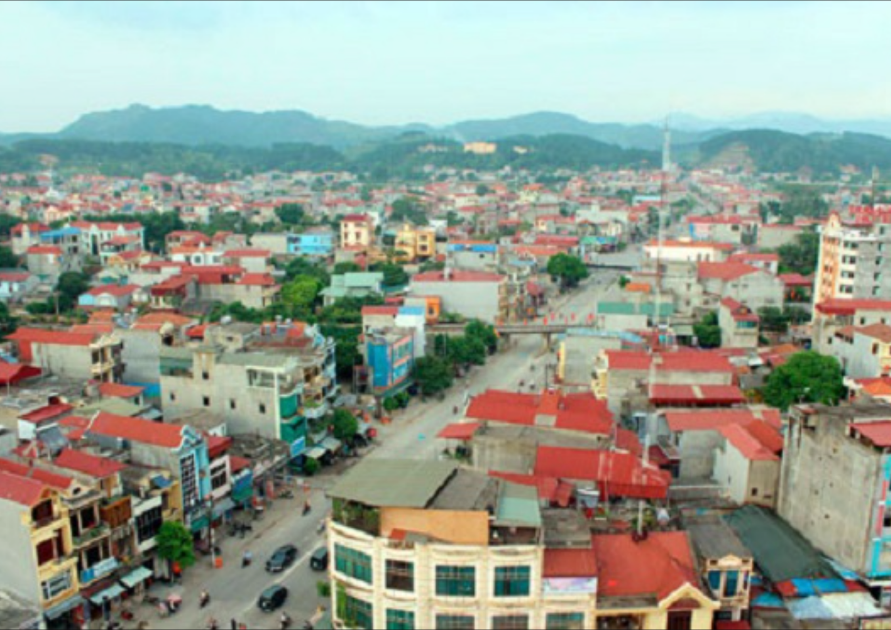
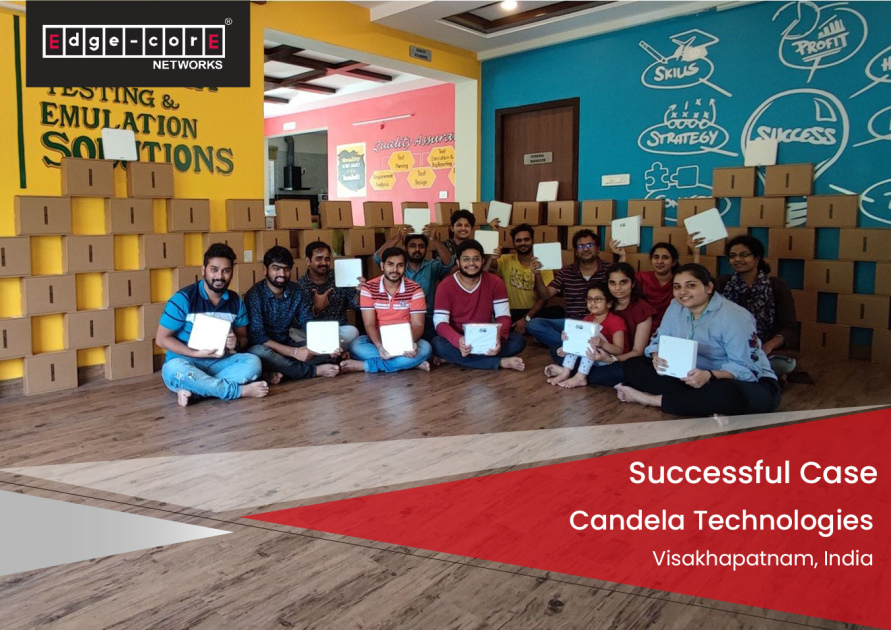
Ищете ещё примеры? Ознакомьтесь с нашими полная библиотека тематических исследований чтобы узнать, как организации по всему миру развертывают современные инфраструктурные решения в корпоративных, облачных, сервисных и сетевых средах с использованием искусственного интеллекта.
Библиотека ресурсов
Совместная полевая проверка распределенного вывода ИИ в распределенных центрах обработки данных на базе IOWN. | Проверка работоспособности распределенного ИИ-вычислений в архитектурах центров обработки данных следующего поколения.
Общая стоимость владения (TCO) Анализ эффективности, масштабируемости и оптимизации затрат инфраструктуры для современных сред искусственного интеллекта.
Определения сетей | Справочное руководство по основным сетевым терминам и технологиям для современной инфраструктуры.
Создание высокоплотных, энергоэффективных и устойчивых сетей центров обработки данных с решениями Edgecore | Рекомендации по созданию высокоплотных, энергоэффективных и масштабируемых сетей центров обработки данных.
Сетевые решения для телекоммуникационных компаний и поставщиков услуг. Современные сетевые стратегии для телекоммуникационной инфраструктуры и инфраструктуры поставщиков услуг.
Сети, готовые к будущему | Стратегии модернизации корпоративной инфраструктуры посредством более эффективной миграции сети.
Высокопроизводительная агрегация широкополосного доступа | Разработка масштабируемых сетей агрегации широкополосного доступа для периферийного подключения.
Операция «Устойчивость» | Повышение отказоустойчивости инфраструктуры для критически важных корпоративных и облачных сред.
Решения для облачных ЦОД Узнайте, как современные облачные решения для центров обработки данных повышают масштабируемость и операционную эффективность.
Подключение мероприятий с помощью OpenWiFi | Обеспечение надежного беспроводного подключения высокой плотности для крупномасштабных мероприятий.
Развертывание высокоскоростной широкополосной связи | Внедрение масштабируемых услуг широкополосного доступа Ethernet для подключения жилых помещений.
Создание университетской сети, объединяющей 275 учебных заведений. | Модернизация образовательной инфраструктуры с помощью надежного подключения к сети на территории всего кампуса.
Развертывание инфраструктуры «умного города» Современные сети уровня 3/уровня 2 для модернизации муниципальной инфраструктуры.
Модернизация сети видеонаблюдения в отеле Высокопроизводительная сетевая инфраструктура, поддерживающая системы защищенного видеонаблюдения.
Решения для обеспечения связи в здравоохранении Надежная проводная и беспроводная инфраструктура для современных медицинских учреждений.
От строительных блоков к решениям: готовое решение открытой инфраструктуры для корпоративного ИИ В статье подробно объясняется, как модульные, открытые сетевые компоненты объединяются для создания полной, готовой к использованию инфраструктуры для развертывания ИИ в предприятиях.
Упрощение открытой инфраструктуры с помощью сетей Edgecore Демонстрирует, как открытые сети упрощают проектирование инфраструктуры за счет дезагрегации аппаратного и программного обеспечения, а также автоматизации.
SONiC: безопасная операционная система корпоративного уровня для современной цифровой инфраструктуры | Объясняет, как Enterprise SONiC сочетает в себе безопасность, автоматизацию и гибкость для обеспечения работы современных открытых сетевых решений.
Выгодная замена стандартного оборудования, которая казалась беспроигрышным вариантом — до третьего года эксплуатации. В статье рассматривается, как качество оборудования и затраты на протяжении всего жизненного цикла влияют на долгосрочную ценность инвестиций в сетевое оборудование, выпускаемое собственными силами.