O que é Rede de IA?
A rede de IA refere-se à infraestrutura de rede de alto desempenho necessária para suportar cargas de trabalho de inteligência artificial e aprendizado de máquina em larga escala. Ao contrário dos aplicativos empresariais tradicionais, as cargas de trabalho de IA são altamente intensivas em rede, pois dependem de volumes massivos de dados que se movem continuamente entre recursos de computação, armazenamento e aceleração.
Os ambientes modernos de treinamento de IA geram resultados significativos. tráfego leste-oeste—comunicação servidor a servidor dentro do centro de dados—em vez do tráfego norte-sul típico de aplicações convencionais. Durante o treinamento distribuído, milhares de GPUs trocam frequentemente parâmetros de modelo, gradientes e dados intermediários para se manterem sincronizadas, tornando o processo mais eficiente. Rede de clusters de GPUs Essencial para o desempenho em grande escala.
À medida que os clusters de IA crescem de dezenas para milhares de aceleradores, o desempenho da rede torna-se crucial. A comutação de alta capacidade, impulsionada por switches de IA de silício comerciais, incluindo Plataformas Ethernet de 400G e 800G, ajuda a reduzir gargalos e a manter a produtividade em cargas de trabalho de IA de grande escala.
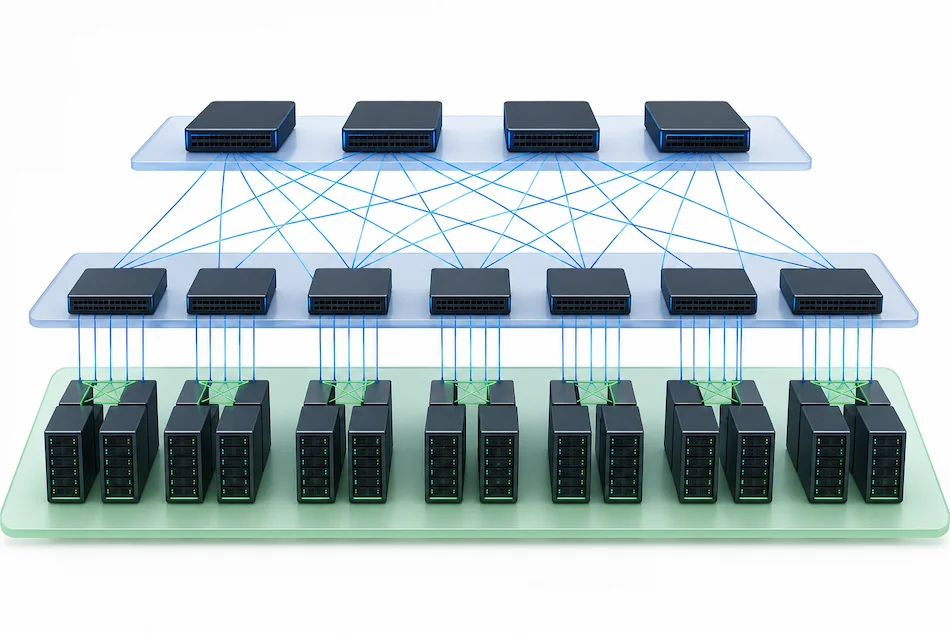
Esse processo depende muito da sincronização rápida da GPU e de operações de comunicação coletiva, como o all-reduce. Mesmo pequenas quantidades de latência, congestionamento ou perda de pacotes podem deixar GPUs caras ociosas, retardando o treinamento do modelo e reduzindo a eficiência da infraestrutura.
Para atender a essas demandas, as redes de IA modernas dependem de estruturas de baixa latência e alta largura de banda, projetadas para maximizar a utilização da GPU e mover dados com eficiência pelo cluster. Recursos de suporte, como o White Paper de IA/ML, Edgecore Open Fabric, e Broadcom Tomahawk 6 Fornecer um contexto técnico mais aprofundado sobre o projeto de estruturas de IA em larga escala.
Por que as cargas de trabalho de IA sobrecarregam as redes tradicionais de data centers?
As cargas de trabalho de IA impõem demandas fundamentalmente diferentes à infraestrutura de rede em comparação com os aplicativos empresariais tradicionais. À medida que os clusters de IA escalam, as arquiteturas convencionais frequentemente se tornam gargalos, limitando o desempenho e prolongando os tempos de treinamento.
Um dos principais desafios surge dos padrões intensivos de comunicação coletiva da GPU, como por exemplo: reduzir tudo, onde grandes volumes de dados precisam ser trocados entre várias GPUs durante cada iteração de treinamento. Essas operações exigem comunicação extremamente rápida e previsível para manter as cargas de trabalho distribuídas sincronizadas.
As cargas de trabalho de IA também geram picos de tráfego curtos, porém intensos, conhecidos como microexplosões, o que pode sobrecarregar as redes Ethernet tradicionais e causar congestionamento, perda de pacotes e retransmissões. Mesmo breves interrupções podem paralisar os pipelines da GPU e reduzir significativamente a eficiência do cluster.
Para enfrentar esses desafios, a modernidade Rede de data center de IA depende cada vez mais de tecnologias como RDMA (Acesso Direto à Memória Remota), Ethernet sem perdas, e arquiteturas escaláveis de leaf-spine. Essas tecnologias ajudam a reduzir gargalos e, ao mesmo tempo, melhoram o desempenho para treinamento e inferência de IA.
Muitas organizações também estão adotando Redes abertas para IA através infraestrutura de IA desagregada, A separação das camadas de hardware e software melhora a escalabilidade, a flexibilidade e a relação custo-benefício, ao mesmo tempo que reduz a dependência de um único fornecedor.
Conceitos básicos
Explore os seis conceitos fundamentais que moldam as redes de IA modernas — desde a comunicação em clusters de GPUs e as estruturas de IA Ethernet até a infraestrutura aberta e desagregada.
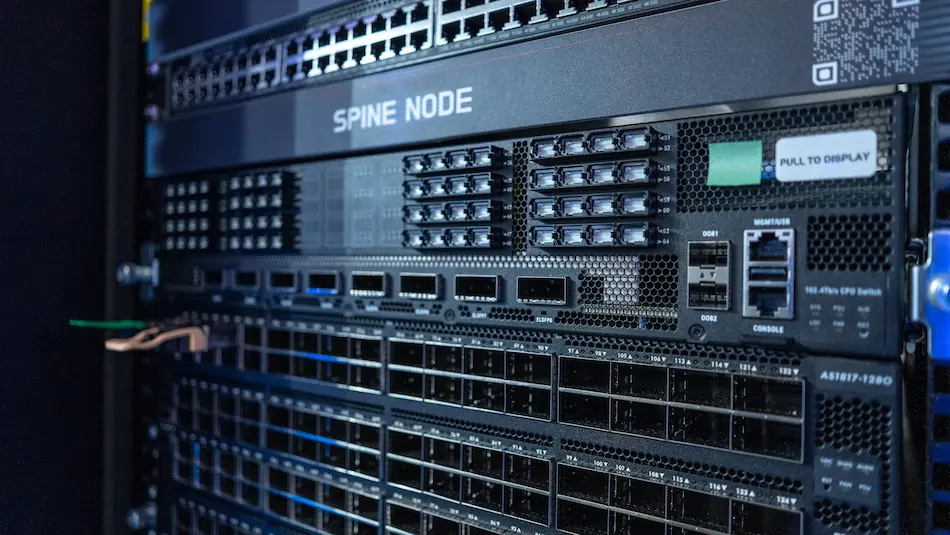
Compreenda as topologias de rede que alimentam a infraestrutura de IA escalável.

Descubra o que possibilita uma comunicação rápida e eficiente entre GPUs em grande escala.
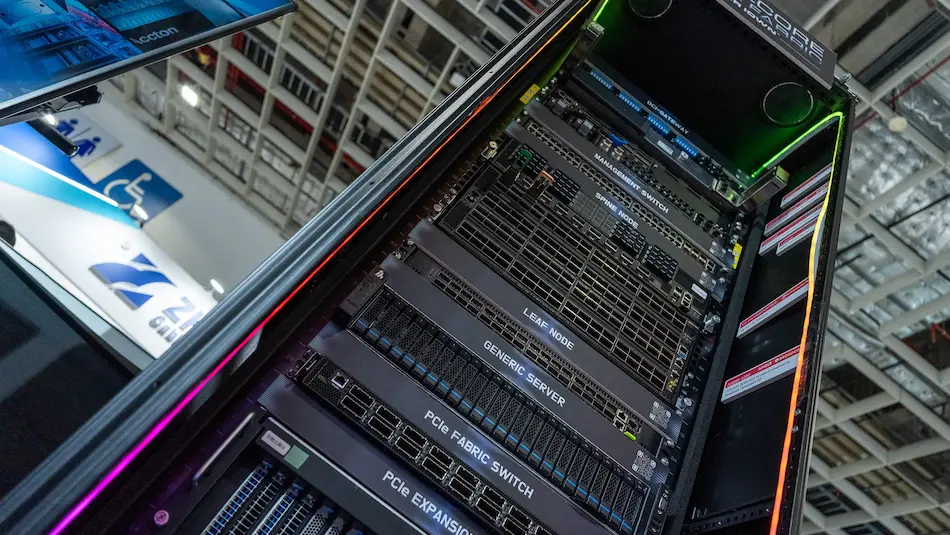
Explore modelos de redes abertas que melhoram a flexibilidade e reduzem a dependência de fornecedores específicos.
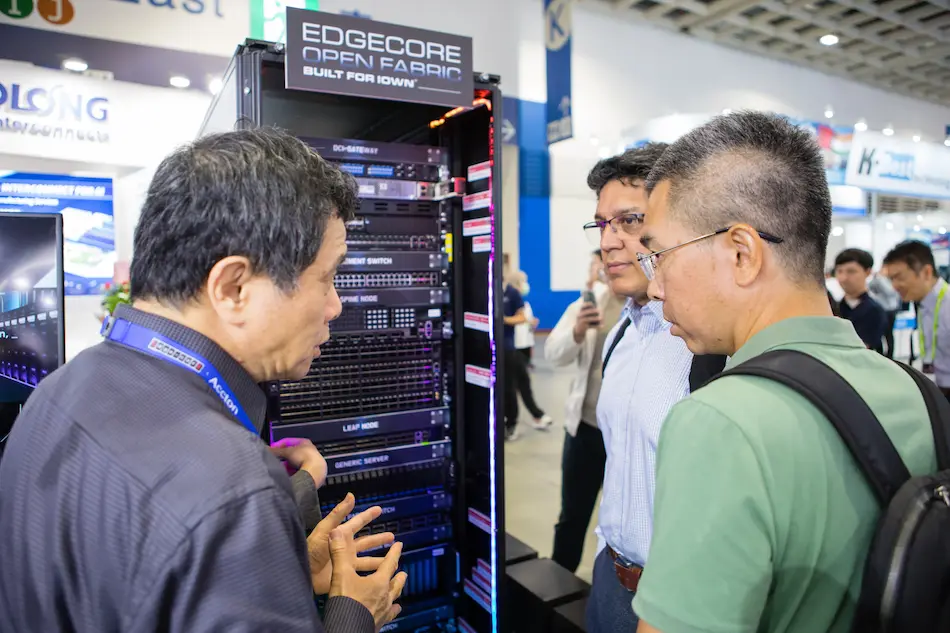
Veja como o Ethernet oferece suporte à comunicação de IA de alto desempenho.
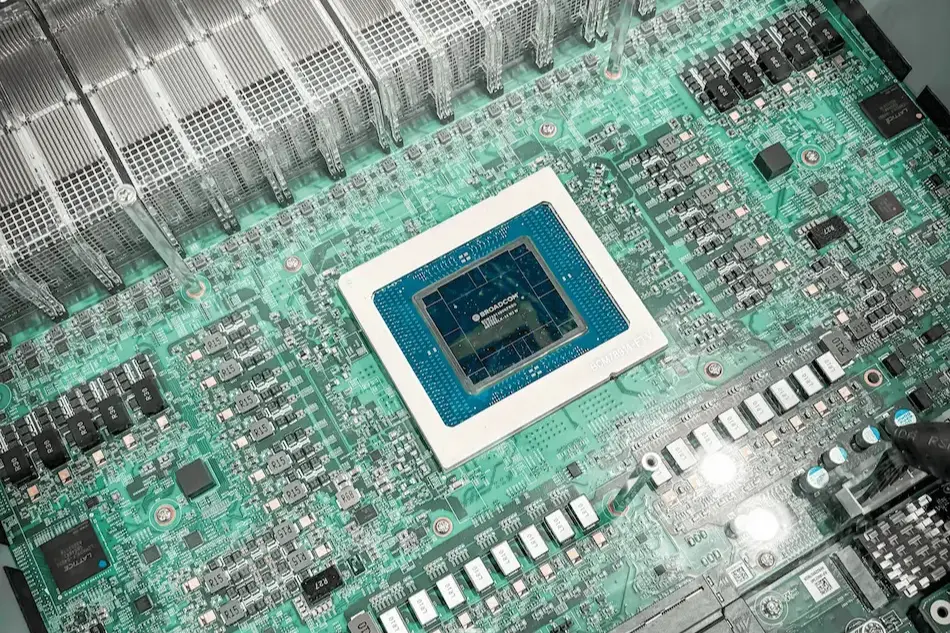
Descubra como a comutação de alta velocidade possibilita clusters de IA maiores.
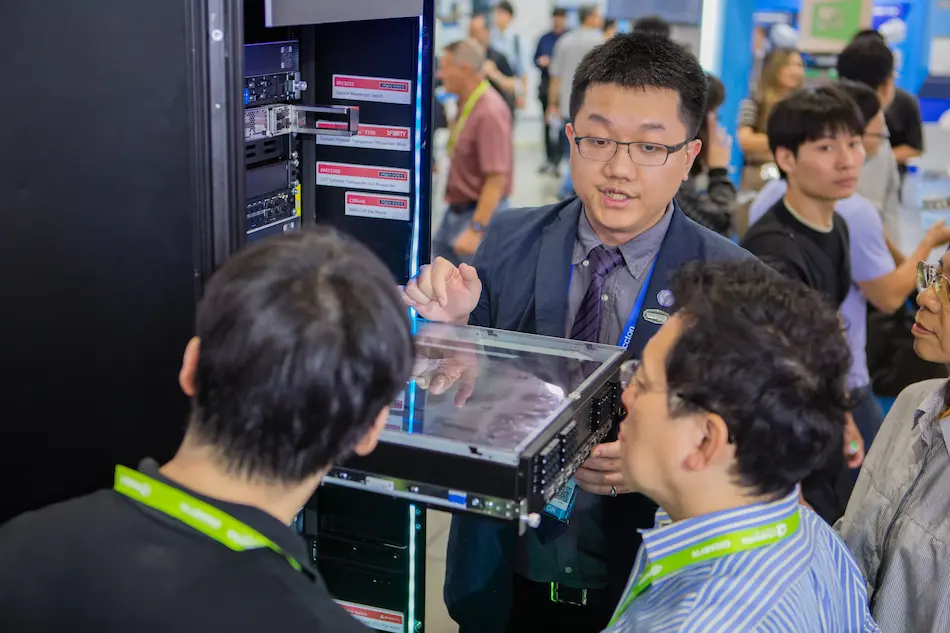
Avalie as vantagens e desvantagens em relação ao desempenho, custo e escalabilidade.
Ethernet vs InfiniBand
O debate em torno de Ethernet versus InfiniBand para redes de IA A IA tornou-se cada vez mais importante à medida que as organizações expandem seus clusters de IA. Ambas as tecnologias podem suportar a baixa latência e a alta taxa de transferência necessárias para aplicações modernas. Rede de clusters de GPUs, No entanto, diferem em custo, flexibilidade e abertura do ecossistema. O InfiniBand tem sido o preferido para ambientes HPC de latência ultrabaixa, enquanto os avanços em Ethernet sem perdas, RoCE e gerenciamento de congestionamento estão melhorando rapidamente o desempenho das tecnologias modernas. Tecidos de IA Ethernet. Para organizações que constroem soluções escaláveis. Rede de data center de IA Em infraestrutura, a decisão muitas vezes se resume a equilibrar o desempenho bruto com a eficiência de custos, a simplicidade operacional e a flexibilidade a longo prazo.
| Recurso | Ethernet + RoCE | InfiniBand |
|---|---|---|
| Custo | Mais baixo | Mais alto |
| Dependência de fornecedor | Baixo | Alto |
| Ecossistema | Largo | Especializado |
| desempenho da IA | Alto | Muito alto |
Para obter uma visão técnica mais aprofundada sobre RoCE, PFC e ECN e custo total de propriedade, Explore nossos recursos técnicos.
Redes abertas para IA
À medida que a infraestrutura de IA se expande, muitas organizações estão repensando modelos de rede proprietários que dependem de hardware e software fortemente integrados. Redes abertas para IA Oferece uma abordagem mais flexível e econômica, separando o sistema operacional de rede do hardware subjacente.
No cerne dessa abordagem está desagregação de rede, que permite aos operadores escolherem o melhor hardware e software de cada categoria de forma independente. Isso possibilita maior escalabilidade. Rede de clusters de GPUs ao mesmo tempo que reduz a dependência de um ecossistema de fornecedor único.
Rede de IA Whitebox é um elemento fundamental que viabiliza este modelo. Construído com hardware padronizado e alimentado por switches de IA de silício comerciais, As plataformas whitebox oferecem desempenho de hiperescala sem o custo elevado dos sistemas proprietários.
Sistemas operacionais como SONiC Permitir redes altamente escaláveis e programáveis por meio de automação, telemetria e APIs modernas. Um projeto bem elaborado Tecido SONiC AI Ajuda a simplificar as operações, ao mesmo tempo que oferece suporte a cargas de trabalho de IA em larga escala.
O resultado é menor custo total de propriedade (TCO) ao longo do ciclo de vida da rede, através da redução dos custos de hardware, da melhoria da eficiência operacional e da minimização da dependência de fornecedores.
Redes de IA tradicionais versus redes de IA abertas
| Redes de IA tradicionais | Redes de IA abertas |
|---|---|
| Pilha proprietária | Pilha desagregada |
| NOS fechado | SONiC |
| Dependência de fornecedor | Flexibilidade de múltiplos fornecedores |
| Custo Total de Propriedade (TCO) mais elevado. | Menor TCO |
É aqui que o Edgecore se diferencia: combinando hardware aberto de alto desempenho, silício líder do setor e ampla compatibilidade com o ecossistema para fornecer infraestrutura de rede de IA escalável, eficiente e preparada para o futuro. Explore. implantações de IA no mundo real para ver tecidos de IA abertos em produção.
Biblioteca de Recursos
Por que o SONiC é perfeito para data centers de IA? Explora como o SONiC possibilita arquiteturas de rede escaláveis, abertas e flexíveis, otimizadas para ambientes de data center em nuvem e IA de alto desempenho.
De blocos de construção a soluções: uma solução de infraestrutura aberta pronta para uso para IA empresarial | Explica como componentes de rede modulares e abertos se unem para fornecer uma infraestrutura completa e pronta para uso para implantações de IA corporativas.
Potencializando a IA em escala: o papel indispensável da ponte entre data center, PFC e ECN para grandes implantações de GPU Explica como as tecnologias PFC e ECN possibilitam o desempenho Ethernet sem perdas, crucial para clusters de GPUs em larga escala e cargas de trabalho de treinamento de IA.
Broadcom Tomahawk 6: Potencializando a última geração de IA e redes de hiperescala Este artigo aborda como a arquitetura de comutação Tomahawk 6 da Broadcom oferece suporte a redes de data center de hiperescala e IA de 400G/800G de última geração.
Cinco motivos incríveis para implementar aplicativos de IA hoje mesmo! Destaca os principais fatores de aplicação de IA no mundo real que estão acelerando a demanda por redes de data center escaláveis e de alto desempenho.
White Paper de IA/ML Melhores práticas para infraestrutura de rede que suporta cargas de trabalho de IA e aprendizado de máquina.
Documento técnico Edgecore Open Fabric Informações sobre arquiteturas de redes de IA escaláveis e considerações de implementação.
Custo Total de Propriedade (TCO) Análise da eficiência, escalabilidade e otimização de custos da infraestrutura para ambientes modernos de IA.
Construindo estruturas de data center otimizadas para IA: a desagregação encontra as redes de alto desempenho. Saiba como a infraestrutura desagregada e as redes abertas possibilitam estruturas de IA escaláveis e de alto desempenho, otimizadas para cargas de trabalho modernas de GPU.
Potencializando soluções empresariais com os switches de rede aberta Edgecore e o SONiC de nível empresarial da Broadcom. Descubra como o Edgecore e o Enterprise SONiC combinam hardware e software abertos para construir redes de IA escaláveis e prontas para produção.
Criando a infraestrutura perfeita para IA: Ethernet agendada da DriveNets Descubra como o Ethernet Agendado melhora o gerenciamento de congestionamento, a latência e a taxa de transferência para clusters de IA de grande escala.
O Ambiente Operacional de Rede Desagregado Programável Veja como o networking programável e desagregado proporciona maior automação, flexibilidade e controle para a infraestrutura de IA moderna.
600 redes. Um único sistema operacional de rede. Zero dependência de fornecedor. Saiba como um sistema operacional de rede unificado simplifica as operações e reduz a dependência de fornecedores em implantações de grande escala.
Switch de data center Broadcom SONiC X Edgecore | Demonstra como o Edgecore e o Broadcom SONiC oferecem comutação escalável e de alto desempenho para redes de data center modernas.
Desbloqueie a inovação com a distribuição comunitária Edgecore SONiC Mostra como a distribuição Community SONiC da Edgecore permite implantações de rede flexíveis, abertas e escaláveis para ambientes de data center modernos.
IPNexia potencializa datacenter com Edgecore Networks e Deca Consulting Saiba como a IPNexia construiu uma rede de data center escalável e de alto desempenho usando soluções de rede aberta Edgecore.
Edgecore Networks: Pioneirismo em resfriamento por imersão com Submer, Stellium Data Centers e Circle B Descubra como o resfriamento por imersão e as redes abertas ajudam a suportar infraestruturas de IA densas e energeticamente eficientes em grande escala.
LINX seleciona redes Edgecore e infusão de IP para atualização de LAN LON2 Veja como a LINX modernizou a infraestrutura de rede usando redes desagregadas para maior escalabilidade e flexibilidade operacional.
Edgecore implantou um SDN global baseado em OpenFlow em NCTU Destaca como as redes definidas por software possibilitaram o controle centralizado e maior programabilidade de rede em escala.